This won’t be good for American’s or Canadian’s. Motorcycles travel back and forth up to 8 times and each time it will add 50% to the price. Beginning September 8, Canada will impose a 50% tariff on U.S.-origin motorcycles with internal-combustion engines larger than 800cc. Harley Davidson has a US plant. More than $120 million worth of motorcycles from that state will now be subject to a 50-per-cent tariff. There’s a lot of, and I can’t believe I’m using this work, Malinformation out there from the Trump administration in regards to the trade relationship with Canada.
This isn’t good for the motorcycle industry. This isn’t good for Canadian and American relationships. This isn’t good for the average person in either country. t’s the mid-1980’s all over again.
Great ready for the price increases and if riders won’t pay +50 to +500% MORE for for MSRP, get ready for many, many dealerships, part suppliers, part manufacturers and motorcycle industry bankruptcies. 🙁
Read more on Tariff’s on TMW:
New 2026 Honda Icons Return + More Tariffs + USMCA Dead?
Zero Motorcycle and Tariff Pricing increase USA
Beta USA Tariff Motorcycle Prices Remain the Same for 2025
Harley-Davidson Price Cuts & Tariffs Increase Motorcycle Prices!
Two-Wheeled Trouble: Motorcycle Prices to Spike with New Tariffs!
Here’s a good article on it from Forbes.
Canada Targets Big American Motorcycles With A 50% Tariff
ByJosh Max,Contributor. Auto journalist and traffic safety/road rage expert.
Aug 26, 2026, 09:40am EDT
Canada’s latest retaliation in its escalating trade fight with the United States lands squarely on one of America’s most recognizable industries – big motorcycles. And nobody is happy about it.
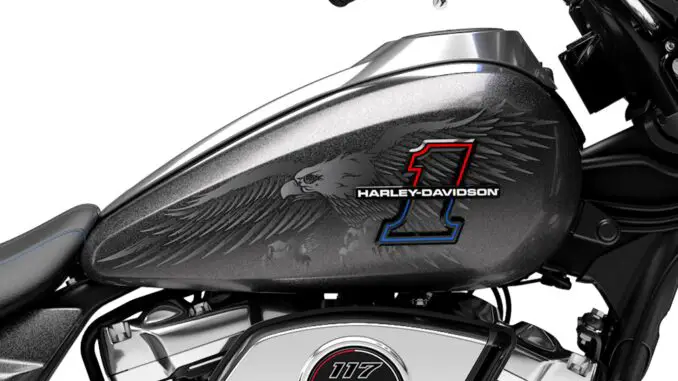
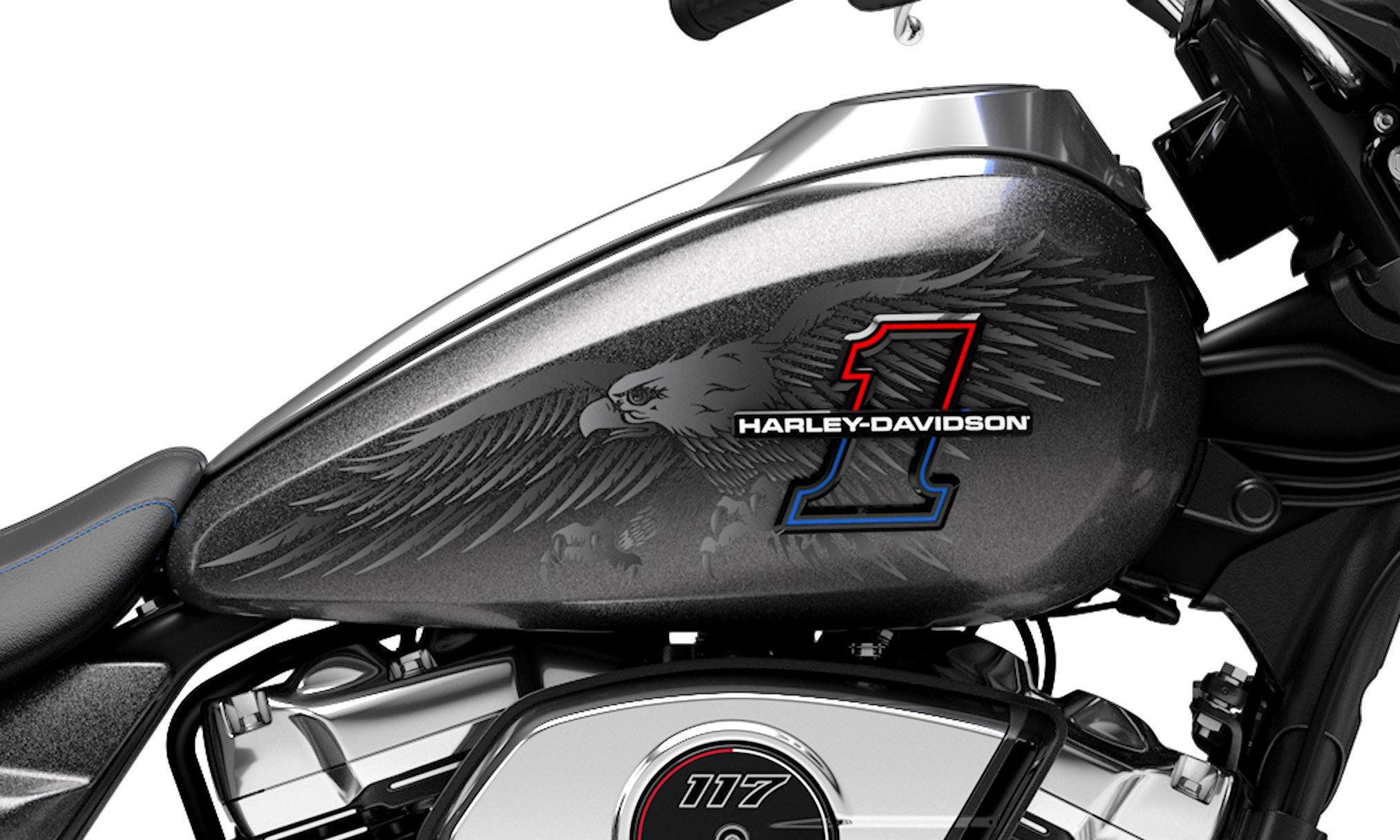
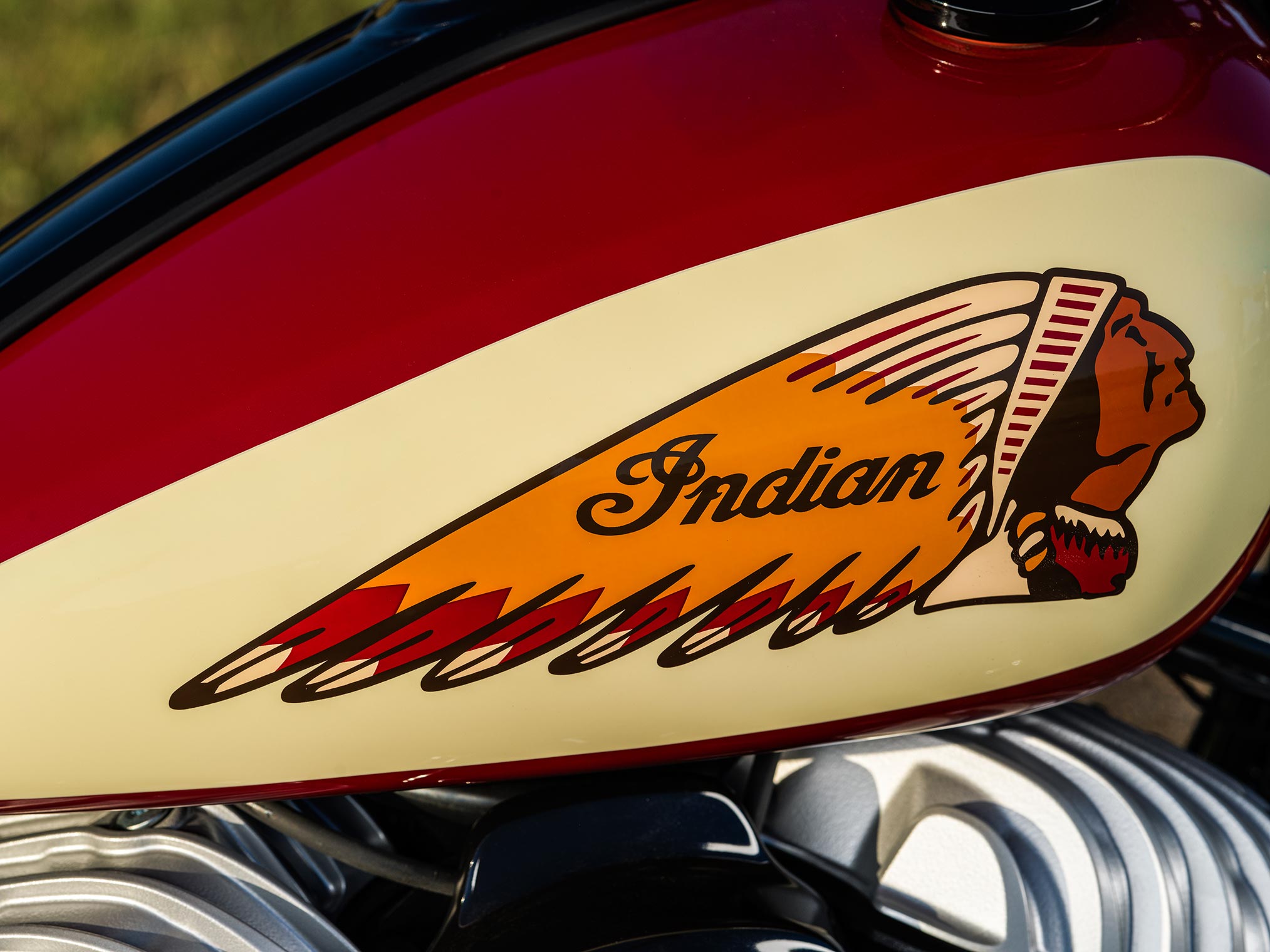
Beginning September 8, Canada will impose a 50% tariff on U.S.-origin motorcycles with internal-combustion engines larger than 800cc. That puts most of Harley-Davidson’s Canadian lineup directly in the path of the new levy, along with motorcycles from Indian Motorcycle and other U.S. manufacturers.
The tariff is part of a broader Canadian response to new U.S. duties imposed after trade negotiations collapsed. Ottawa says its countermeasures will cover $27.6 billion worth of American imports and range from 15% to 50%.
The choice is also political. Canadian Industry Minister Mélanie Joly has said Ottawa deliberately selected products tied to particular U.S. states as it seeks leverage ahead of the November midterm elections.
Harley-Davidson is headquartered in Milwaukee, Wisconsin, making heavyweight motorcycles an unusually visible target.
Harley-Davidson’s least expensive 2026 motorcycle in Canada, the Nightster, uses a 975cc Revolution Max engine and starts at C$13,099 including freight and dealer setup. Larger touring machines climb dramatically from there: a 2026 Street Glide starts at C$32,199, while a Street Glide Limited starts at C$42,949.
What it means and what it doesn’t mean
A 50% tariff does not automatically mean a motorcycle’s retail sticker price rises by 50%. Tariffs are assessed on the customs value of imported goods and manufacturers and dealers can absorb some of the expense.
But a duty of that size creates an enormous new cost somewhere in the chain, whether borne by the factory, distributor, dealer or buyer.
The scale of the trade is significant as well.
Canada imported about $170.4 million worth of U.S. motorcycles with engines larger than 800cc in 2024, according to World Bank trade data. That represented more than half of all Canadian imports in the category.
Harley-Davidson alone sold 6,434 motorcycles in Canada in 2025, nearly 5% of its worldwide retail sales. Canadian Harley sales have already softened: the company reported 3,735 retail sales there during the first half of 2026, down from 3,912 a year earlier.
That makes the timing particularly awkward for Harley. The company has been trying to revive demand under CEO Artie Starrs and its “Back to the Bricks” strategy.
In July, Harley raised its 2026 sales outlook after second-quarter North American retail sales increased 3%.
Some plants moving back to U.S.A.
The company has also been moving production in the opposite direction from what might help it avoid Canada’s tariff. In June, Harley announced it would bring North American production of its Revolution Max motorcycles, including the Pan America, Sportster S and Nightster, back to plants in Pennsylvania and Wisconsin. The company presented the decision as a commitment to American manufacturing.
Indian Motorcycle is exposed as well. The company says every new Indian motorcycle is assembled at its Spirit Lake, Iowa, factory, and its heavyweight cruisers and touring machines also fall above Canada’s 800cc cutoff.
The effect may not appear on every showroom floor immediately. Canada says U.S. goods already in transit when the tariffs take effect are exempt, while motorcycles already sitting in Canadian dealer inventories have crossed the border.
Replacement inventory imported after September 8 would face the new duty.
Bottom line? For Harley-Davidson, a political fight between Washington and Ottawa is about to become a very real problem on Canadian showroom floors.
Michael Le Pard (“Mr. Totalmotorcycle”) is the Founder of Total Motorcycle, the world’s largest motorcycle information site, trusted by over 430 million riders since 1999. With over 34 years of experience in motorcycles, gear and rider culture, he has built a global community dedicated to empowering and inspiring motorcyclists.
Total Motorcycle remains his passion project. Combining expert research, hands‑on knowledge and a commitment to helping riders make informed decisions about bikes, gear and safety worldwide.