Be inspired! New 1000 page complete guide to riding and adventuring! Read by Millions. Start off right by reading Total Motorcycle’s Complete Beginner’s Guide to Motorcycling. Are you a new, returning or veteran rider? 100% FREE guide ($1949.99 value). Hand written over 26 years of rider excellence and experience. I hope you enjoy reading it as much as I enjoyed writing it. I know it will improve your riding skills and in turn, you’ll be able to have a great lifetime of motorcycle riding fun!
Chock full of value from The First Steps, Insurance, Choosing Your Ride, Seat Heights, Basic Styles, Gear, Routes and Lessons, Soul of a Bike, Tests and Quizzes, Maintenance and Survivability sections. But that’s not all! For more advanced riders, I added another 700 pages of content with 200 Motorcycle Comparison, Confidence Quiz, Bike Fit & Confidence Checklist, Motorcycle Insurance Cost Comparison, Top 10 Beginner Mistakes (and how to avoid them), How to Practice in a Parking Lot, Weather Riding Guide, Motorcycle Situational Awareness, Basic Motorcycle Maintenance Schedules, Top 10 Tools Every Rider Should Own, How to Check a Used Bike Before You Buy, Printable Maintenance Log Template, Motorcycle Cost of Ownership, Buying or Selling Motorcycle Market Timing, Budgeting for of Motorcycle Riding, Motorcycling Riding Culture Around the World, The Evolution of Rider Training, Motorcycle Gear Checklist, Pre Ride Safety Checklist, Used Bike Inspection Checklist, Emergency Roadside Kit Checklist, When to Upgrade Your Bike, Group Riding Etiquette, Ultimate Motorcycle Track Day Guide and Adventure & Touring Basics sections!!
Each section could be a small book on it’s own and it’s taken years to write this, and did I mention it is free? Just respect my work and DO NOT COPY and REPOST it elsewhere (you can repost the link to the content, that’s cool). Check out TMW’s new 1000 Page Complete Guide to Motorcycling!
A little fun fact, a small part of this guide was one some of the very early pages that created Total Motorcycle back in 1999!
Let’s take a peeking into a few of the new sections to get your motorcycle curiosity running!
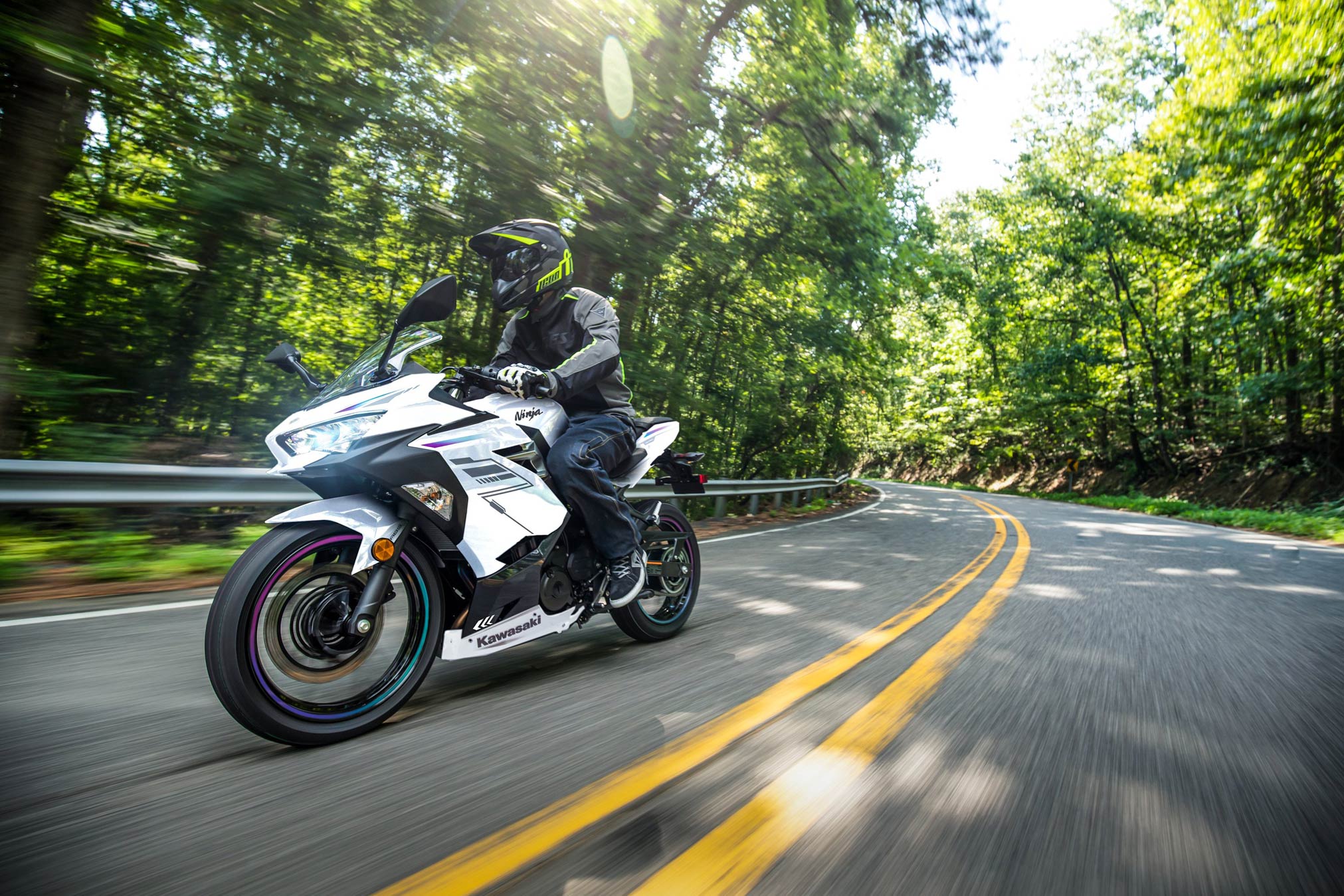
Welcome to the Ultimate Beginner Motorcycle Comparison (200 Models)
Total Motorcycle helps riders start off right! Whether you’re buying your first bike or just curious how the classics stack up, this guide is your one‑stop reference for confidence‑building motorcycles in the 125–600cc range – and beyond.
Choosing your first motorcycle is thrilling – and overwhelming. With hundreds of models across styles, brands, and engine sizes, it’s easy to get lost in spec sheets, forum debates, and marketing hype. That’s why we built this guide: a clear, honest, mobile‑friendly comparison of 200 beginner‑friendly motorcycles from recent years, sorted by engine size and designed to help you make an informed, confident decision.
Advice for New Riders
The best beginner bike is one that fits your body, your budget, and your confidence level. Don’t chase horsepower – chase control. A bike that feels “too small” on paper might be perfect for building skills. A bike that looks “cool” but feels top‑heavy or twitchy might erode your confidence.
Start with ergonomics: Sit on bikes at dealerships. Can you flat‑foot it? Does it feel balanced? Are the bars and controls comfortable?
Consider your riding goals: Commuting, weekend cruising, touring, or off‑road? Each style has different needs.
Don’t skip safety gear: A good helmet, jacket, gloves, and boots are non‑negotiable.
Take a training course: MSF or equivalent – it’s the best investment you’ll ever make.
Ignore peer pressure: Ride what makes you feel confident, not what others say is “cool” or “fast.”
Top 10 Standout Beginner Bikes
These bikes consistently rank as the most confidence‑building, affordable, and easy‑to‑ride options for new riders. They’re light, forgiving, and widely available – perfect for learning the ropes.
| Model | Engine | Seat Height | Weight | Used Price | Why It Stands Out | Watch For |
|---|---|---|---|---|---|---|
| Kawasaki Ninja 400 | 399cc Parallel Twin | 30.9 in | 366 lbs | $4,000–$5,500 | Sporty, forgiving, great all‑rounder | Sportbike ergonomics may be aggressive |
| Honda Rebel 300 | 286cc Single | 27.2 in | 364 lbs | $3,500–$4,500 | Low seat, cruiser comfort, easy handling | Limited highway power |
| Yamaha MT‑03 | 321cc Parallel Twin | 30.7 in | 373 lbs | $3,800–$5,000 | Upright ergonomics, agile in traffic | Small tank, limited touring comfort |
| Honda CB300R | 286cc Single | 31.5 in | 317 lbs | $3,500–$4,500 | Lightweight, neo‑retro styling | Small fuel tank |
| KTM Duke 390 | 373cc Single | 31.5 in | 362 lbs | $4,000–$5,200 | Sharp handling, tech features | Vibrations at highway speeds |
| Royal Enfield Meteor 350 | 349cc Single | 30.1 in | 421 lbs | $3,800–$4,500 | Relaxed cruiser, retro charm | Modest power |
| CFMOTO 300SS | 292cc Single | 30.7 in | 364 lbs | $3,200–$4,000 | Sporty looks, ABS, TFT dash | Less refined than Japanese rivals |
| Yamaha R3 | 321cc Parallel Twin | 30.7 in | 375 lbs | $3,800–$5,000 | Reliable, sporty, lightweight | Cramped for tall riders |
| Honda CRF300L | 286cc Single | 34.7 in | 309 lbs | $4,500–$5,500 | Dual‑sport versatility, lightweight | Tall seat height |
| Suzuki SV650 (ABS) | 645cc V‑Twin | 30.9 in | 437 lbs | $4,500–$6,500 | Legendary beginner twin, versatile | Technically above 600cc |
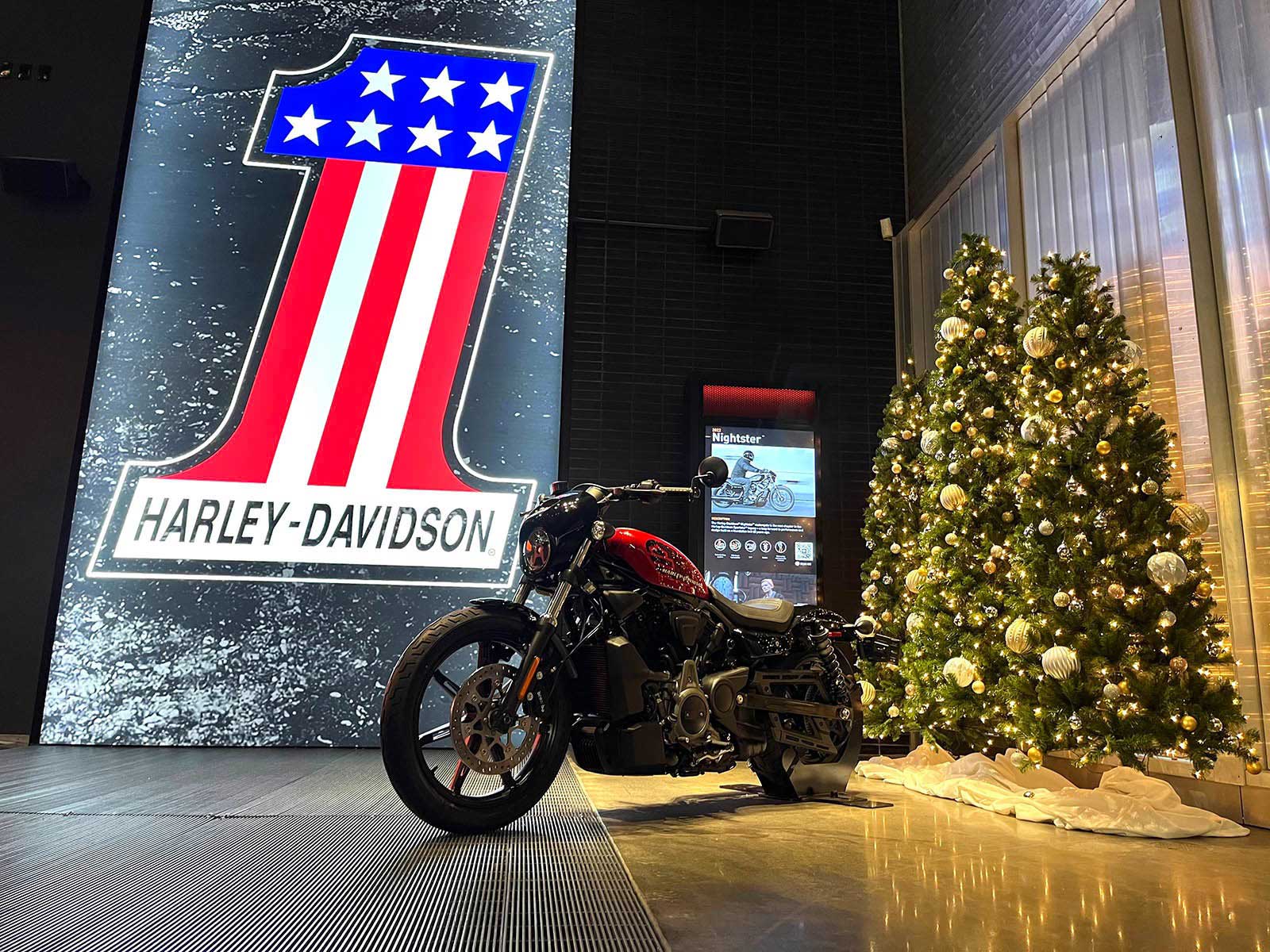
Fall vs Spring Motorcycle Market Timing
Seasonal demand swings can mean the difference of thousands of dollars. Knowing when to buy or sell is as important as knowing what to ride.
In both the USA and Canada, motorcycle prices follow a predictable seasonal curve. That’s why our Total Motorcycle Beginner’s Guide to Motorcycling: Buying or Selling Motorcycle Market Timing guide is so important to read. Spring brings high demand as riders rush to buy, while fall brings discounts as sellers avoid winter storage and insurance costs. On average, riders can save 10–25% by buying in the fall, or earn significantly more by selling in the spring. Understanding this cycle is one of the smartest financial moves a rider can make!
Myth‑Busting
✅ Reality: Listings spike in spring, and buyers compete. In fall, sellers discount to avoid winter storage.
✅ Reality: Dealers negotiate year‑round, but private sellers are most flexible in fall.
Rider Strategies
- Buy in Fall: September–November is the sweet spot for deals.
- Sell in Spring: March–May yields the best resale prices.
- Storage Costs: In Canada especially, sellers discount to avoid winter storage fees.
- Insurance: Some riders cancel policies in winter, creating more motivated sellers.
Compare fall vs. spring listings in your region. Record the percentage difference – you’ll see the seasonal swing for yourself.
Fall vs Spring Market Prices
| # | Year | Make | Model | Fall Avg Price | Spring Avg Price | % Difference |
|---|---|---|---|---|---|---|
| 1 | 2022 | Honda | CBR500R | $6,200 | $7,000 | +13% |
| 2 | 2021 | Kawasaki | Ninja 400 | $4,400 | $5,100 | +16% |
| 3 | 2020 | Yamaha | MT-07 | $6,000 | $6,900 | +15% |
| 4 | 2019 | Suzuki | SV650 | $5,200 | $6,000 | +15% |
| 5 | 2018 | Honda | Rebel 500 | $4,800 | $5,600 | +17% |
| 6 | 2022 | Yamaha | R3 | $4,700 | $5,400 | +15% |
| 7 | 2021 | KTM | 390 Duke | $4,600 | $5,300 | +15% |
| 8 | 2020 | Honda | CRF300L | $4,900 | $5,700 | +16% |
| 9 | 2019 | Kawasaki | Z650 | $5,800 | $6,700 | +16% |
| 10 | 2018 | Yamaha | MT-09 | $7,200 | $8,400 | +17% |
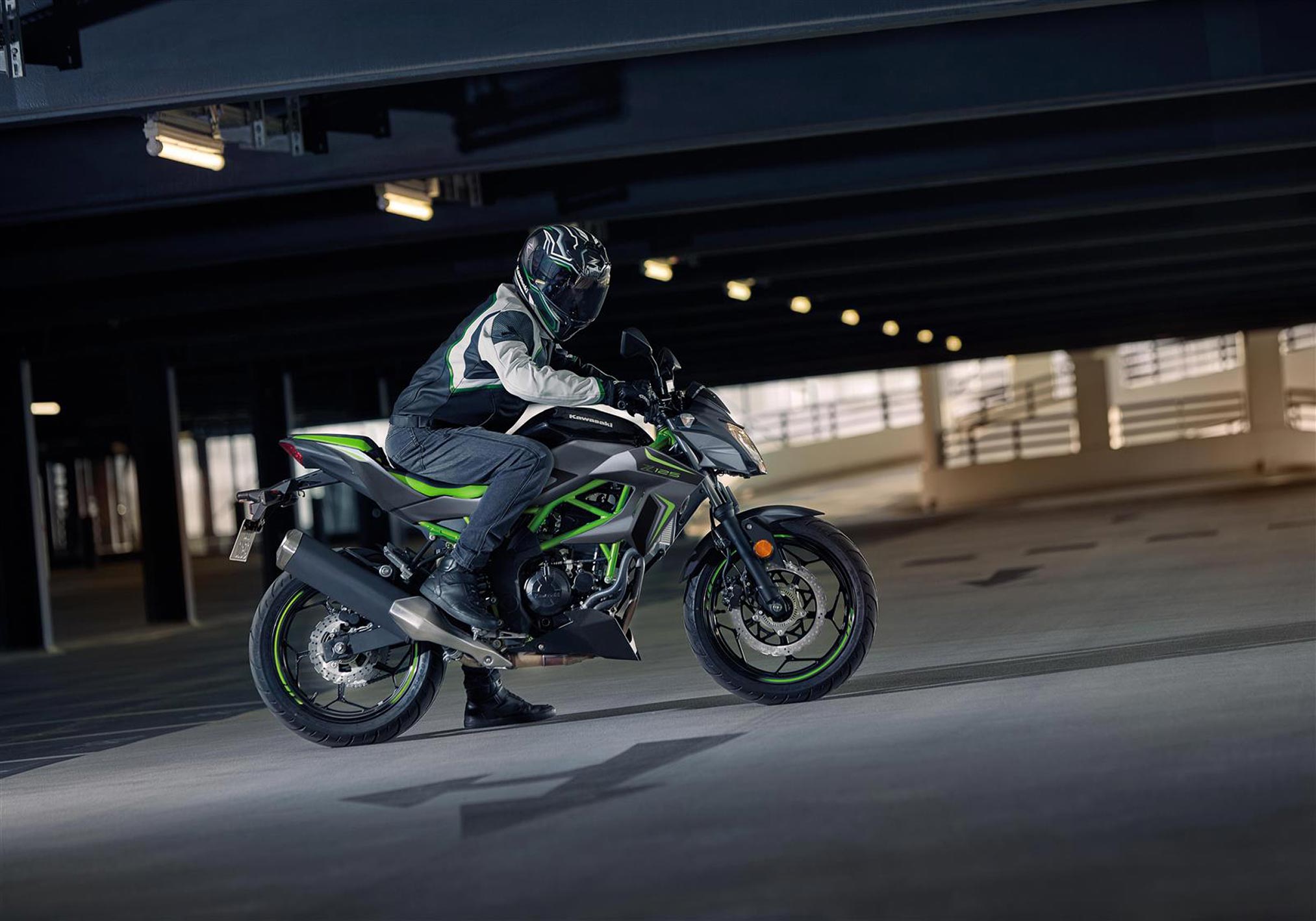
When to Upgrade Your Bike (Signs You’ve Outgrown Your First Ride)
Every rider remembers their first motorcycle. It’s freedom, fear, and fun all rolled into one. But eventually, you’ll feel it: the bike that once thrilled you now feels like it’s holding you back. That’s when the upgrade question begins.
Why Upgrading Matters
Motorcycling is a journey. Your first bike is rarely your last, and that’s a good thing. The machine that once felt intimidating eventually becomes familiar, then comfortable, and finally, limiting. That’s the natural arc of growth. Upgrading isn’t about chasing horsepower numbers or impressing your riding buddies. It’s about matching your machine to your skills, your goals, and your riding environment. A well‑timed upgrade can reignite your passion, expand your horizons, and even make you safer. But upgrading too soon, or for the wrong reasons, can lead to frustration, wasted money, or worse, accidents.
This guide breaks down the upgrade journey for new riders, experienced riders, and returning riders. We’ll bust myths, highlight common mistakes, and provide progression tables for different styles of bikes. We’ll also explore how engine technology has evolved, because a 750cc from the 1980s is not the same beast as a 750cc today. And we’ll compare how different manufacturers squeeze very different personalities out of the same displacement.
Upgrading is not about “bigger is better.” It’s about “better for you, right now.”
New Riders: Outgrowing Your First Bike
Your first motorcycle is like training wheels for adulthood. It’s not supposed to be perfect forever, it’s supposed to teach you. A good starter bike is lightweight, forgiving, and confidence‑building. But eventually, you’ll notice signs that you’ve outgrown it. These signs are important because they tell you when your skills have surpassed your machine’s limits.
Signs You’ve Outgrown Your First Bike
- Highway Strain: You’re constantly revving at 7,000+ rpm just to keep up with traffic. The bike feels buzzy and underpowered at 65–75 mph. This isn’t just annoying, it’s fatiguing and unsafe on long rides.
- Two‑Up Trouble: Add a passenger or luggage and suddenly acceleration disappears. The suspension bottoms out, and the bike feels unstable. If your bike can’t handle the weight you need it to, it’s time to move up.
- Skill Ceiling: You’ve mastered clutch control, cornering, and braking, but the bike no longer challenges you. You’re ready for ABS, traction control, or more advanced handling. Staying on a too‑small bike can actually slow your growth.
- Distance Dreams: You’re riding longer routes, but your bike’s ergonomics or fuel range make it uncomfortable for more than an hour. If your ambitions outgrow your seat, tank, or wind protection, that’s a clear upgrade signal.
- Confidence vs. Ego: You feel safe and capable, but you’re not “scared” of the bike anymore. That’s a healthy sign you’re ready to move up. Fear should never be the upgrade trigger, capability should.
The key for new riders is to upgrade when your bike limits your growth, not when your ego or friends pressure you.
A 250cc or 300cc is perfect for learning, but if you’re commuting on highways daily or planning cross‑country trips, it’s time to consider the next step.
🚫 Common Mistakes When Upgrading
The 600cc Supersport Trap
Many new riders think a 600cc sportbike (like a Yamaha R6, Kawasaki ZX‑6R, or Honda CBR600RR) is the “natural next step.” After all, 600 sounds like a middle ground between 300 and 1000, right? Wrong. These bikes make 100–120 horsepower, rev to 14,000 rpm, and are designed for racetracks. They’re twitchy, unforgiving, and punish mistakes. Countless riders have bought one as their “second bike” only to drop it, scare themselves, or quit riding altogether.
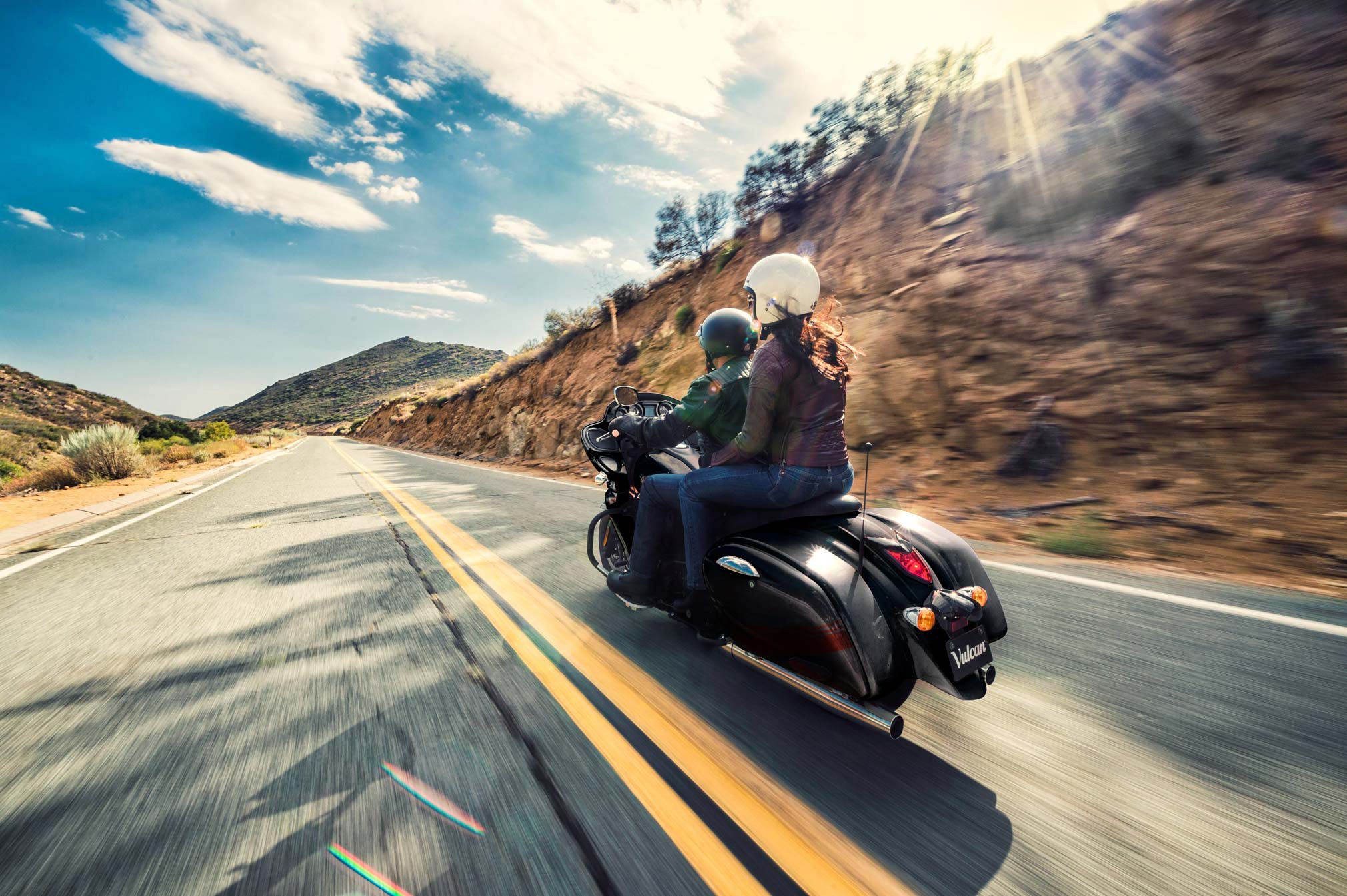
Adventure & Touring Basics
From weekend getaways to cross‑continent odysseys, touring is the art of turning the road into your home. Comfort, preparation, and mindset are the keys.
Section 1.1, What is Motorcycle Touring?
Touring is the art of turning a motorcycle ride into a journey. Unlike short commutes or weekend blasts, touring means
covering distance with purpose: exploring new regions, testing endurance, and learning how to live comfortably on two wheels.
It’s not just about the destination, it’s about the rhythm of the road, the challenge of adapting to weather, and the joy of discovering places
you’d never see from a car or plane. Touring is where motorcycles transform from machines into companions.
Section 1.2, Why Touring Matters
- Freedom: Touring gives you the ability to go anywhere, anytime. You’re not bound by flight schedules or hotel check‑ins.
- Discovery: Every mile brings new landscapes, cultures, and people. Touring is travel at human speed.
- Endurance: Long rides teach patience, planning, and resilience. You learn to manage fatigue, weather, and mechanical quirks.
- Community: Touring connects you with other riders. Gas stations, campgrounds, and roadside diners become hubs of shared stories.
Touring is also a confidence multiplier. Once you’ve ridden 500 km in a day, a 50 km commute feels effortless.
Once you’ve crossed a border, your local rides feel richer.
Section 1.3, New Riders in Touring
For new riders, the idea of a multi‑day trip can feel intimidating. But touring doesn’t have to mean crossing continents.
It can start with a single‑day loop or a weekend getaway. Each trip builds confidence and teaches lessons about comfort, packing, and pacing.
🔍 Tips for New Touring Riders
- Start small: Begin with 100–200 km day trips. Build up to weekends, then longer tours.
- Pack light: Essentials only. Overpacking is the #1 rookie mistake.
- Comfort first: A seat cushion, throttle rocker, or padded grips can transform your ride.
- Plan fuel stops: Know your bike’s range. Don’t gamble on “maybe there’s a gas station ahead.”
- Break often: Stop every 90 minutes to stretch, hydrate, and reset your focus.
🚫 Common Mistakes for New Riders
✅ Reality: Touring is about endurance, not speed.
✅ Reality: Versatile gear and layers beat bulk.
✅ Reality: Touring means riding through changing conditions. Be ready with rain gear.
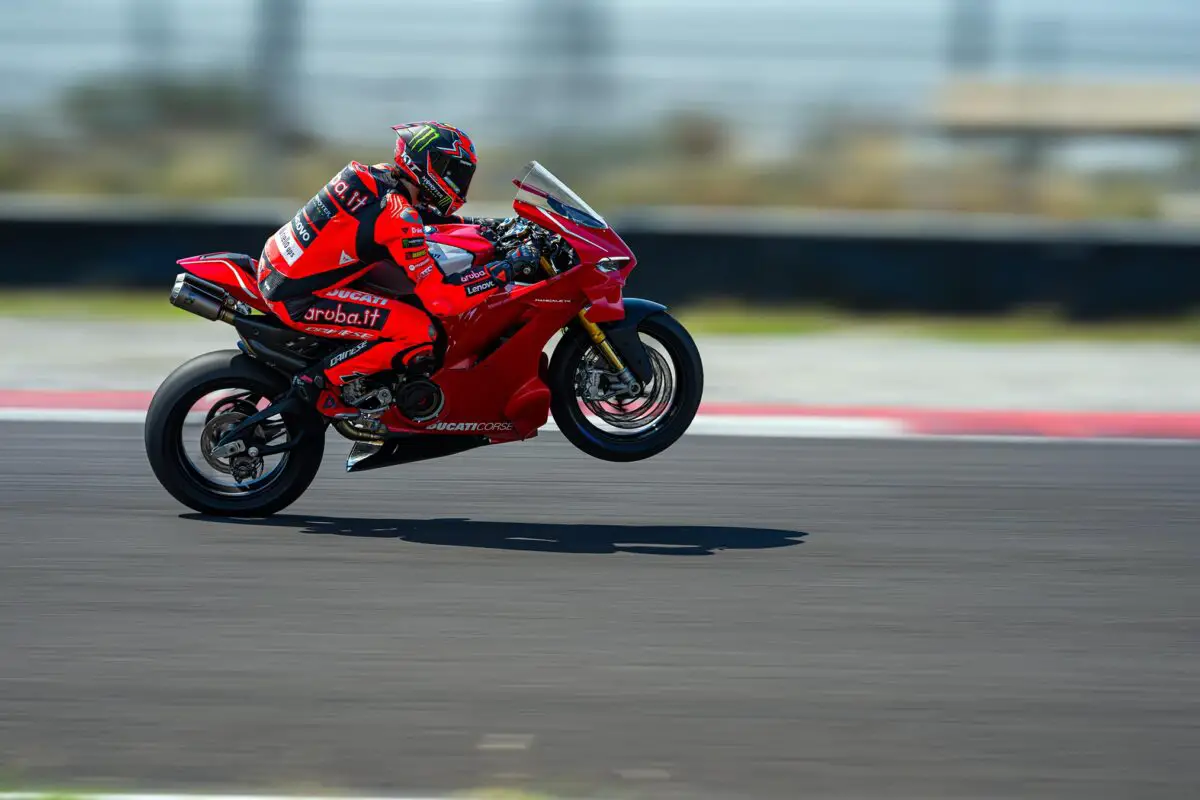
Safety & Roadcraft: Top 10 Beginner Mistakes (and How to Avoid Them)
Confidence comes from clarity. Learn the common pitfalls, and ride smarter from day one.
The Top 10 Beginner Mistakes (with Avoidance Strategies)
A quick overview of the most common pitfalls new riders face – and how to avoid them. Scroll down for full details, drills, and myth‑busting insights.
- Target Fixation – Mistake: staring at the hazard instead of the escape path.
Avoid it: Train your eyes to look where you want to go. - Over‑Braking the Front or Rear – Mistake: grabbing the front brake or stomping the rear, causing skids.
Avoid it: Practice progressive braking: squeeze, don’t grab. - Poor Clutch/Throttle Coordination – Mistake: stalling at lights or lurching starts.
Avoid it: Practice the friction zone until smooth. - Riding Beyond Skill or Conditions – Mistake: corners too fast, chasing friends, ignoring weather.
Avoid it: Ride your own ride; follow the “80% rule.” - Ignoring Lane Positioning – Mistake: sitting in the oil strip or hugging the curb.
Avoid it: Use lane positions (left, center, right) strategically. - Not Scanning or Anticipating Hazards – Mistake: tunnel vision, missing side traffic or pedestrians.
Avoid it: Use the “12‑4‑2” scan method. - Improper Cornering Technique – Mistake: entering too hot, braking mid‑corner, standing the bike up.
Avoid it: Follow the MSF mantra: Slow, Look, Press, Roll. - Neglecting Gear – Mistake: riding in sneakers, shorts, or without gloves.
Avoid it: ATGATT: All The Gear, All The Time. - Not Doing Pre‑Ride Checks – Mistake: skipping tire pressure, chain, or lights.
Avoid it: Use the T‑CLOCS checklist; takes 2 minutes. - Overconfidence After a Few Weeks – Mistake: thinking “I’ve got this” too soon.
Avoid it: Keep learning, take advanced courses, ride with mentors.
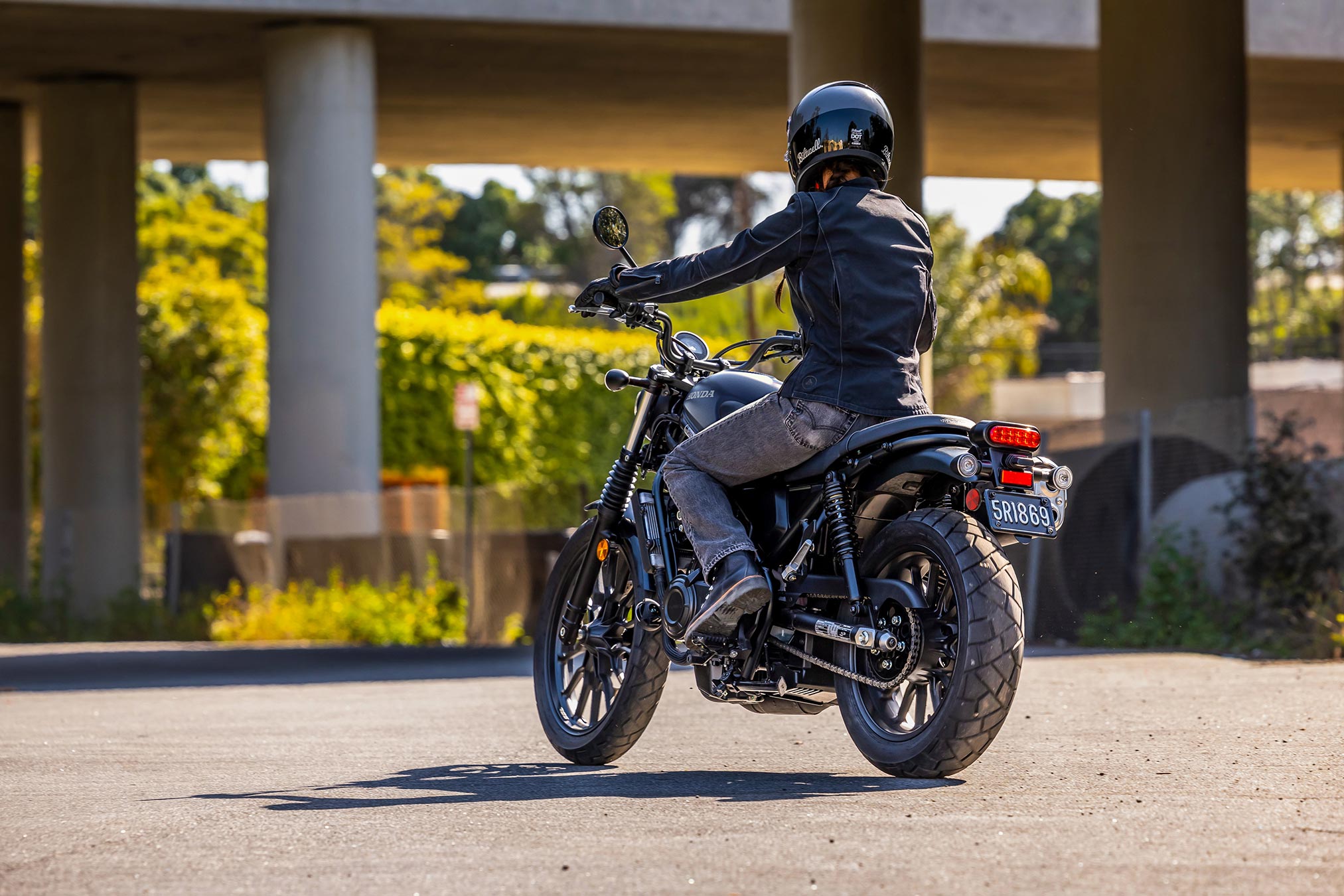
Safety & Roadcraft: How to Practice in a Parking Lot (Step‑by‑Step Drills)
A quiet lot is your classroom. Build safe habits and confidence before you hit traffic.
Controlled practice turns nerves into know‑how. In a quiet parking lot, you can focus on technique without traffic or pressure. These step‑by‑step drills build muscle memory for clutch/throttle control, braking, cornering, and hazard avoidance. Wear full gear, hydrate, and progress at your pace – small wins add up fast!
✅ Preparation checklist
- Full gear: Helmet, gloves, jacket, boots, riding pants (ATGATT)
- Bike check: T‑CLOCS – tires, controls, lights, oil/fluids, chassis, stands
- Lot choice: Smooth pavement, minimal traffic, clear sightlines
- Markers: 6–12 cones or bottles, chalk/tape for lines
- Safety: Water, sunscreen, phone, riding buddy if possible
| Item | Purpose | Beginner tip |
|---|---|---|
| Cones/Markers | Define turns, slalom, start/stop zones | Use water bottles if no cones |
| Chalk/Tape | Mark lines for braking and exits | Painter’s tape peels clean |
| Measuring tape | Consistent spacing for repeatable drills | Pre‑mark common distances |
| Buddy/Spotter | Encouragement and safety backup | Trade roles every 10 minutes |
Drill 1: Friction zone mastery
Skill: Smooth clutch/throttle coordination for starts and low‑speed control.
The drill: Mark a straight 6 m (20 ft) line. Hold steady throttle (~2,000 RPM). Slowly release clutch to enter the friction zone until the bike creeps. Stop with rear brake. Reset and repeat 10–15 times. Add gentle throttle only after the bike is rolling.
Reality: Without clutch feel, extra throttle causes lurches or loss of control.
✅ Practice tips:
- Eyes up: Look ahead, not at levers
- Anchor: Keep a light two‑finger touch on the clutch
- Rear brake: Feather to stabilize at walking speed
| Clutch position | Bike response | What you feel |
|---|---|---|
| Fully pulled | No drive to wheel | Engine free‑rev |
| Friction zone | Bike creeps forward | Subtle tug, stable idle |
| Fully released | Full power transfer | Stronger pull, needs balance |

Michael Le Pard (“Mr. Totalmotorcycle”) is the Founder of Total Motorcycle, the world’s largest motorcycle information site, trusted by over 430 million riders since 1999. With over 34 years of experience in motorcycles, gear and rider culture, he has built a global community dedicated to empowering and inspiring motorcyclists.
Total Motorcycle remains his passion project. Combining expert research, hands‑on knowledge and a commitment to helping riders make informed decisions about bikes, gear and safety worldwide.